Tulip: A Color Font for Modern Creative Projects
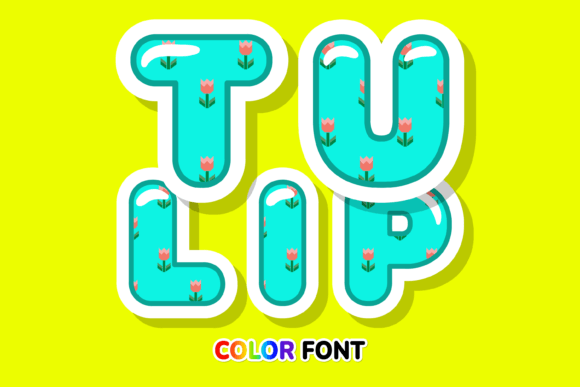
When you first encounter the Tulip typeface, it’s hard not to stop and take a closer look. This isn’t your standard set of letters. Tulip is an incredibly cool color font designed in the style of its namesake flower. Each character is crafted with the vibrant, layered colors and soft, organic shapes you’d see in a garden of tulips, bringing a literal and figurative bloom to your work. It moves beyond simple monochrome text, offering a built-in aesthetic that feels fresh, artistic, and full of life.
At its core, Tulip is a premium font that functions as a display typeface. Its personality is joyful, creative, and distinctly modern. The visual style leans into a modern typography trend where the font itself is a central design element, not just a vessel for words. The appeal is immediate: it offers a complete visual package. Instead of searching for the right color overlay or gradient effect, the color font delivers a polished, artistic look right out of the box. It’s a creative font built for projects that demand a standout visual hierarchy.
Where Tulip Truly Blossoms: Ideal Applications
The strength of a display font like Tulip lies in its ability to capture attention quickly. It’s not designed for long-form body text but excels where impact is key. Think of it as a specialist tool in your design assets toolkit, perfect for specific scenarios.
- Branding & Logo Design: For a boutique, florist, artisan bakery, or a creative studio, Tulip can form the heart of a brand identity. A logo set in Tulip immediately communicates a sense of craft, nature, and elegance. It’s particularly effective for brands targeting an audience that values aesthetics and uniqueness.
- Packaging Design: Product labels, tags, and boxes for cosmetics, gourmet foods, or handmade goods can use Tulip to convey a premium, artisanal quality. The font’s colorful detail can reduce the need for additional graphical elements, creating a clean yet vibrant package.
- Editorial & Publishing: Magazine headlines, chapter titles in a book, or feature article headers in a digital publication can leverage Tulip to draw readers in. It sets a specific mood—creative, inspirational, or whimsical—from the very first glance.
- Digital & Social Media: As a web design asset, Tulip shines in hero banners, promotional graphics, and call-to-action buttons. For social media graphics, it’s a powerhouse. Instagram posts, Pinterest pins, and Facebook ads gain instant visual appeal, increasing the likelihood of engagement and shares.
- Personal Projects & DIY Crafts: Beyond commercial use, Tulip is a fantastic crafting font. It’s ideal for creating custom invitations, greeting cards, personalized gifts, and printable wall art. Its built-in color and style simplify the design process for hobbyists.
Making Tulip Work: Practical Guidance for Designers and Creators
Integrating a specialty font like Tulip into your workflow requires a bit of strategic thinking. Its impact is high, but it needs to be used thoughtfully to enhance, not overwhelm, your message.
Evaluating Project Fit and Readability
First, consider the project’s goal. Tulip conveys creativity, nature, and a touch of playfulness. It’s an excellent fit for a yoga studio’s website, a wedding planner’s portfolio, or a lifestyle brand’s Instagram. It might be less suitable for a corporate law firm’s annual report, where a more traditional serif font or neutral sans serif font would better communicate stability and seriousness. Always prioritize readability. Use Tulip for short, impactful phrases—headlines, subheadings, and logos—where its artistic details can be appreciated without slowing down reading speed.
Mastering Font Pairings
The key to professional use is pairing Tulip with a complementary typeface. Because Tulip is visually dense and colorful, it needs a calm partner. A clean, geometric sans serif font like Montserrat or Lato works beautifully for body text, providing clarity and balance. For a more elegant feel, pair it with a simple, modern serif font. The goal is to create a clear typographic hierarchy where Tulip commands attention as the headline, and its paired font delivers the supporting information with ease.
Understanding Technical Compatibility
This is a crucial step. Tulip is an OpenType-SVG color font. This technology allows for multi-color and texture within a single glyph. It is compatible with professional design software including Adobe Photoshop, Adobe Illustrator, Silhouette Studio, and Inkscape. However, it’s vital to note that the standard OTF and TTF files are not compatible with Cricut machines. For crafters using Cricut, this distinction is important. Always verify your software supports color fonts before purchasing. For a deeper dive into working with this technology, our Ultimate Font Guide is an invaluable resource.
Leveraging the Included Styles
A complete typeface often includes more than one style. Review what’s included with Tulip. You may find alternate characters, ligatures, or stylistic sets that offer subtle variations. These extras provide flexibility, allowing you to customize the look slightly for different applications while maintaining the core brand identity. Experiment with these options in your design software to see how they can add nuance to your projects.
Commercial Use and Licensing
For entrepreneurs, marketers, and business owners, understanding the license is non-negotiable. A commercial font license like the one for Tulip typically permits use in projects that generate revenue, such as client work, merchandise, and digital products. However, the license usually prohibits redistribution of the font files themselves. Always read the specific End User License Agreement (EULA) provided with your purchase to ensure your intended use is covered, protecting both your work and the type designer’s craft.
Tulip offers a remarkable way to inject personality and visual interest into a wide array of projects. By understanding its strengths as a display font, pairing it wisely, and respecting its technical requirements, you can use this creative font to build more engaging brand identities, compelling marketing materials, and beautiful personal creations. It’s more than just a set of letters; it’s a complete design statement waiting to be deployed.