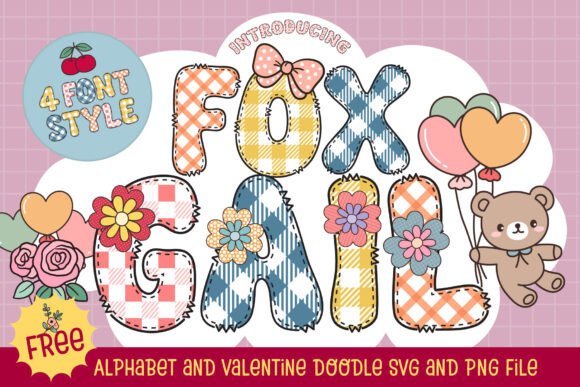
Fox Gail: A Hand-Drawn Color Font with Classic Charm
Unpacking the Personality of Fox Gail
When you first encounter the Fox Gail font, the immediate impression is one of warmth and whimsy. It’s not just another handwritten font; it’s a creative font built on a foundation of classic comfort. The design combines a playful, slightly irregular hand-drawn aesthetic with the unmistakable pattern of gingham. This isn't a simple outline or fill—it’s a true color font, meaning the gingham pattern is embedded directly into the typeface. You get the cozy, familiar look of a picnic blanket or a vintage apron rendered in every letter.
The character set has a friendly, approachable personality. The strokes aren't perfectly smooth, which is a strength. That slight imperfection gives Fox Gail its authentic, handmade feel. It’s the kind of typeface that feels like it was crafted with care, not generated by an algorithm. The four color variations—likely offering different gingham palettes—allow you to match the font to specific seasonal themes or brand colors without needing to manually edit each glyph in a program like Adobe Illustrator or Photoshop.
Where Fox Gail Truly Shines: Practical Applications
Understanding a font's personality is one thing; knowing where to deploy it is where the real value lies for designers, marketers, and business owners. Fox Gail’s strengths are most evident in projects that aim for a specific kind of emotional connection—one rooted in nostalgia, craftsmanship, and approachability.
For Branding and Identity
This is a premium font that can become a cornerstone of a brand identity for businesses in specific niches. Think of a boutique bakery specializing in home-style goods, a children’s clothing line with a vintage aesthetic, a craft supply store, or a family-focused blog. Using Fox Gail in your logo design or primary headings immediately communicates a brand that is friendly, creative, and values a personal touch. It sets a tone before a customer even reads the words. However, it’s crucial to consider your audience. This display font wouldn’t be the right choice for a corporate law firm or a high-tech SaaS company, where a clean sans serif font or a traditional serif font would convey more authority and modernity.
In Marketing and Digital Content
Fox Gail can be a powerful tool in your design assets toolkit for social media and content marketing. Its inherent charm makes it perfect for social media graphics that need to stop a scroll—think Instagram story quotes, Pinterest pins for recipes or DIY projects, or Facebook ads for a seasonal sale. The gingham pattern adds a layer of visual interest that a flat color cannot, helping your content stand out. For web design, its use should be strategic. It’s excellent for hero section headlines on a homepage, promotional banners, or call-to-action buttons where you want to inject personality. Using it for body text, however, would be a mistake; the intricate pattern and playful style would severely compromise readability at smaller sizes. Pair it with a simple, legible sans serif font for paragraphs to maintain a clear visual hierarchy.
Crafting, Print, and Packaging
This is where Fox Gail arguably feels most at home. The description notes compatibility with Cricut and Silhouette machines (for the black version), making it a direct asset for crafters, hobbyists, and small business owners creating physical products. Imagine using it for:
- Scrapbooking titles and journaling headers.
- Custom T-shirt designs for family reunions or small brands.
- Greeting cards, invitations, and party decorations with a handmade feel.
- Packaging design for artisan products—think jam labels, candle tags, or soap wrappers. The gingham pattern evokes a sense of cottage-core authenticity that can elevate a product's perceived value.
For editorial design, it could work beautifully for feature headlines in a craft magazine, a cookbook, or a children’s book cover. The key is context. It supports the story being told rather than competing with it.
Making Fox Gail Work for You: A Practical Guide
Choosing a creative font like Fox Gail involves more than just liking how it looks in a preview. You need to evaluate its fit within your broader design system and workflow. Here’s some actionable guidance.
Evaluate the Project Fit. Before you even download, ask: Does the personality of Fox Gail align with the project's goals? If the brief calls for "serious," "innovative," or "ultra-minimalist," this isn't your font. If it calls for "playful," "nostalgic," "handcrafted," or "cozy," it’s a strong contender. Always consider your audience's expectations.
Master Font Pairing. The rule of contrast is your friend here. Because Fox Gail is a highly decorative display font, it needs a quiet partner. A neutral sans serif font like Open Sans, Lato, or Montserrat for body text creates a balanced and professional look. Avoid pairing it with other ornate script fonts or competing handwritten fonts—the result will be visual chaos. A simple, sturdy serif could also work for a slightly more traditional but still friendly feel.
Understand the Technical Specs. The note about compatibility is critical. The color version of Fox Gail works in specific applications that support SVG color fonts: Photoshop, Illustrator, Silhouette Studio (with certain editions), and Inkscape. You cannot use the color OTF/TTF files in Cricut Design Space to get the gingham effect; only the black version will work there. This dictates your workflow. If your primary output is for Cricut projects, you’ll be working with the monochrome version. If your work is digital or for print from a design program, you can leverage the full color potential.
Test for Readability. Always test your text at the actual size it will be viewed. A headline that looks charming on a 27-inch monitor might become an illegible blob on a mobile screen or when printed small on packaging. The gingham pattern, while beautiful, adds texture that can reduce clarity at small scales. Use Fox Gail for short, impactful text—titles, headers, logos, and callouts—not for long-form reading.
Review Licensing for Commercial Use. If you’re using this for a client project, merchandise for sale, or any commercial application, you must verify the font’s license. Most commercial fonts have clear terms. Ensure the license covers your intended use case, whether it’s for digital products, physical goods, or client work. This is a non-negotiable step in professional practice.
Fox Gail is more than just a color font